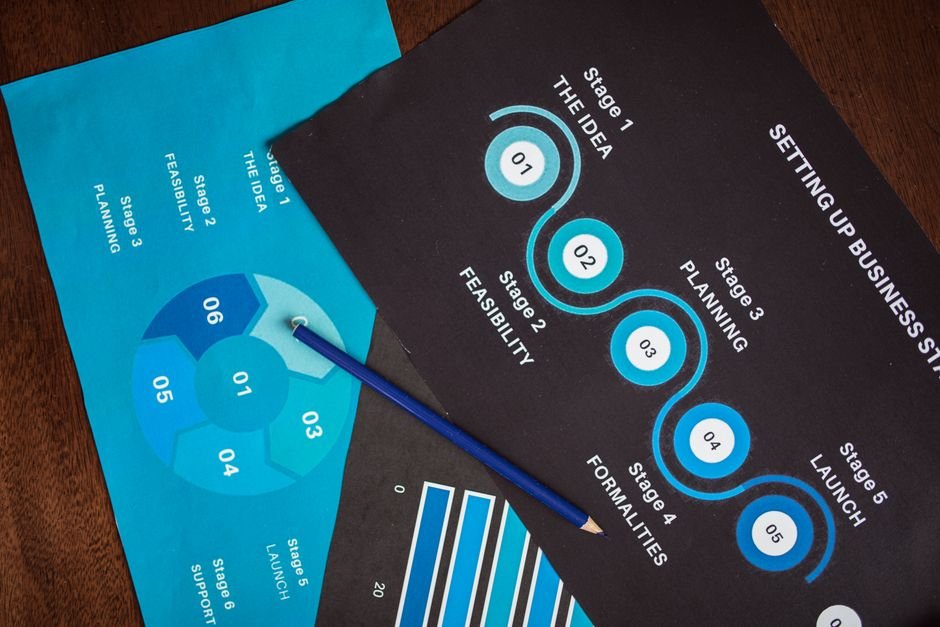
A solid digital marketing strategy for small business step by step is the difference between scattered effort and compounding results. This guide gives you a sequenced action plan built around the real constraints most small business owners face: tight budgets, lean teams, and fierce local competition across markets like Australia, the USA, Canada, the UK, and Dubai.
What Is a Digital Marketing Strategy and Why Small Businesses Need One
A digital marketing strategy is a documented plan that connects your business goals to specific online channels, tactics, and timelines. Without one, you end up reacting rather than leading. You spend money on ads one month, try social media the next, and wonder why nothing sticks.
Small businesses are especially vulnerable to this trap because every dollar and every hour counts. A clear strategy stops you from chasing every new platform and keeps your effort pointed at what actually grows revenue. Check out these essential online business tips for beginners if you’re starting from scratch.
Step 1: Define Your Business Goals and Target Audience
Knowing exactly who you’re talking to and what you want them to do is the foundation everything else rests on. Without this, even brilliant content lands in front of the wrong people.
Start by writing down two or three specific, measurable goals. “Get more customers” is not a goal. “Generate 30 qualified leads per month by Q4” is. Then build a simple customer profile: age range, location, pain points, where they spend time online, and what objections they have before buying. For businesses operating across multiple markets, like a service firm in both Dubai and Sydney, you may need distinct profiles per region.
Step 2: Audit Your Current Online Presence
Before building anything new, you need an honest picture of what’s already working and what’s dragging you down. This saves you from investing in things that duplicate existing effort or repeat past mistakes.
Check your website speed, mobile experience, and current search rankings. Review your social media engagement rates and your Google Business Profile completeness. Look at what traffic sources are already sending visitors and how many of those visitors convert. Free tools like Google Search Console and Google Analytics give you most of this data in under an hour.
Step 3: Set a Realistic Digital Marketing Budget
Budgeting without a plan is guessing. Budgeting with a strategy is investing. Most small businesses underestimate what a working digital presence actually costs, then feel burned when underfunded campaigns underdeliver.
A common starting point is allocating 7-12% of revenue to marketing, with a meaningful portion directed to digital. For a business turning over $500,000 AUD or USD annually, that’s roughly $35,000-$60,000 per year across all channels. Your split across SEO, paid ads, content, and email depends on your goals and timeline. Read the full breakdown on how to set a digital marketing budget for small business to build a number you can actually defend.
Step 4: Choose the Right Digital Marketing Channels for Your Business
Not every channel suits every business. Picking the right ones early means you’re not stretching a small team across six platforms while seeing weak results on all of them.
A local tradie in Brisbane needs a strong Google Business Profile and local SEO more than a TikTok presence. A B2B software company in London needs LinkedIn content and targeted search ads more than Instagram. A retail brand in Dubai serving both Arabic and English speakers needs bilingual paid social. Match your channel choice to where your specific audience actually makes buying decisions, not where marketing blogs tell you to be.
Step 5: Build or Optimise Your Website and SEO Foundation
Your website is where every other channel sends traffic, so if it’s slow, confusing, or invisible in search, everything else suffers. This step protects the investment you’re about to make in content and ads.
At minimum, your site needs to load in under three seconds, work perfectly on mobile, have clear calls to action on every key page, and be structured so search engines can crawl and index it easily. On-page SEO, local schema markup, and a clean internal linking structure are not optional extras. If you need to understand why your business needs SEO before committing, the case is straightforward: organic traffic compounds over time in a way paid traffic never does.
Step 6: Create a Content and Social Media Plan
Content builds trust at scale. One good blog post or video can answer a customer’s question 10,000 times without you being in the room. That’s leverage a small team can actually use.
Map out a simple monthly content calendar. For most small businesses, two to four quality blog posts per month and consistent social posting (three to five times per week on one or two platforms) outperforms daily posting on five platforms with no clear purpose. Focus your topics on the questions your customers actually ask before they buy. Keyword research tools like Google Search autocomplete or free Ubersuggest queries will show you exactly what those questions are.
Step 7: Launch Paid Advertising to Accelerate Growth
Organic channels take time. Paid advertising delivers traffic now, which makes it a powerful accelerant once your foundation is in place. Running ads before you have a strong website and clear offer is where most small businesses waste money.
Google Search ads work well for capturing demand that already exists. Meta ads (Facebook and Instagram) work well for creating demand and building brand awareness at relatively low cost. In markets like the UAE, Snapchat ads also reach significant audiences. Start with a tightly focused campaign, one product or service, one audience, one geographic area, and optimise before scaling.
Step 8: Leverage Email Marketing and Marketing Automation
Email consistently delivers the highest return on investment of any digital channel, often cited at $36-$42 for every dollar spent. It works because you own the list and the relationship.
Build your list actively from day one by offering genuine value in exchange for an email address: a checklist, a free quote tool, a discount. Set up a simple welcome sequence of three to five emails that introduces your business and answers common objections. From there, a regular newsletter keeps you top of mind without requiring a daily time commitment. Tools like Mailchimp, Klaviyo, or ActiveCampaign make this manageable even without technical skills. Explore automating your marketing with AI tools to take this further without adding headcount.
Step 9: Measure, Analyse, and Refine Your Strategy
A strategy you never review is just a document. Regular measurement turns your plan into a learning system that gets sharper every quarter.
Track metrics that connect to revenue, not just vanity numbers. Follower counts feel good but rarely pay rent. Focus on cost per lead, conversion rate, customer acquisition cost, and lifetime value. Set a monthly review date and check what moved, what didn’t, and why. When something underperforms for two consecutive months, change one variable and measure again. This systematic approach is how small teams consistently outperform bigger competitors with bigger budgets. Use the framework in this guide on how to measure your digital marketing ROI to make your reviews faster and more actionable.
Understanding how organisations allocate resources to achieve measurable outcomes mirrors how disciplined marketing budgeting works at any scale.
Common Mistakes Small Businesses Make With Digital Marketing
The mistakes below are consistent across every market EXEVE works in, from small retailers in Toronto to service businesses in Abu Dhabi.
- Starting with ads before fixing the website. Traffic sent to a poor site is money wasted.
- Treating all channels as equal. Spreading budget thin kills results on every platform.
- Measuring the wrong things. Chasing likes instead of leads produces activity with no revenue.
- Stopping too early. Most small businesses quit SEO or content after 60 days, just before it starts to work.
- No clear offer. Ads and content fail when the underlying value proposition is vague or undifferentiated.
A well-built digital marketing strategy for small business step by step addresses every one of these before they become expensive habits.
FAQ
How long does it take to see results from a digital marketing strategy?
Paid advertising can generate leads within days of launching. SEO and content marketing typically take three to six months to show meaningful organic traffic growth, and six to twelve months to reach their stride. Email marketing shows results within the first campaign. Expecting everything to pay off in thirty days is the most common cause of premature abandonment.
What is the most effective digital marketing channel for small businesses?
There is no single answer that fits every business, but for most small businesses with limited budgets, local SEO combined with Google Business Profile optimisation delivers the highest return for the lowest ongoing cost. For businesses needing faster results, a focused Google Search ads campaign targeting high-intent keywords in a specific location is the quickest route to qualified leads.
How much should a small business spend on digital marketing per month?
A practical starting range for most small businesses is $1,500 to $5,000 per month, covering a mix of SEO, content, and at least one paid channel. Businesses in competitive markets like central London or Sydney’s CBD may need to spend toward the higher end to compete. The more important question is what return you expect and how you’ll measure it, because spend without measurement is just cost.